image

What is Ayurvedic Yoga Massage?

Discover Ayurvedic Yoga Massage (AYM)

Where ancient Ayurveda meets Modern Postural Yoga
Rooted in tradition . Guided by yoga . Refined for Modern Life

Ayurvedic Yoga Massage is an integrated bodywork system, rooted in the living traditions of Ayurveda and yoga. AYM combines four essential therapeutic pillars: deep tissue oil massage, Vacha root powder massage (Calamus), assisted yoga stretches, and breathwork in one treatment.
Together they form a unified therapeutic approach that works on the physical, emotional, and energetic levels of the body.

The AYM method was originally developed by Master Kusum Modak during her golden years of teaching and practice from 1980 to 2012.

Whether you are seeking relief from pain, a way out of chronic stress, better posture and mobility, or simply a desire to reconnect with your breath and return to yourself, AYM meets you where you are. Every session is fully personalised, guiding body and mind toward greater flexibility, inner clarity, and lasting well-being.

4.4 M+ Views — Ayurvedic Yoga Massage with Ananta (Kusum Modak Method)

How does an Ayurvedic Yoga Massage session unfold?

Every Ayurvedic Yoga Massage session takes place on a comfortable floor mattress, in a calm and grounded setting. Sessions last between 50 and 90 minutes, customised to your needs, and no two are ever the same

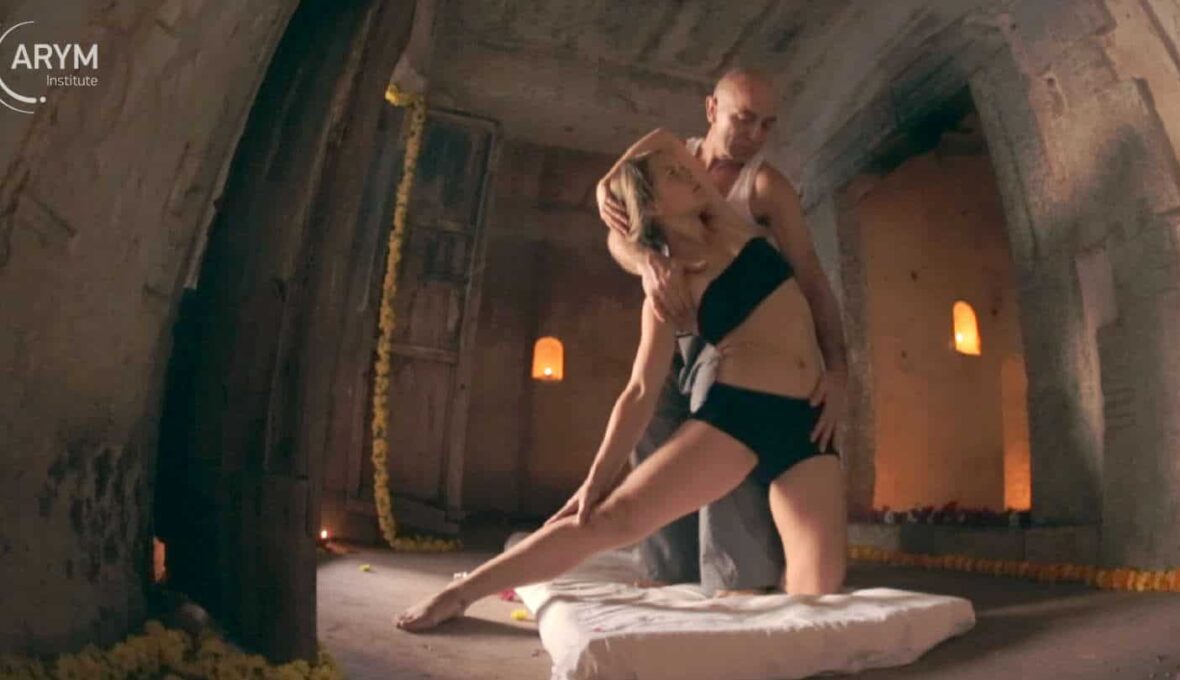
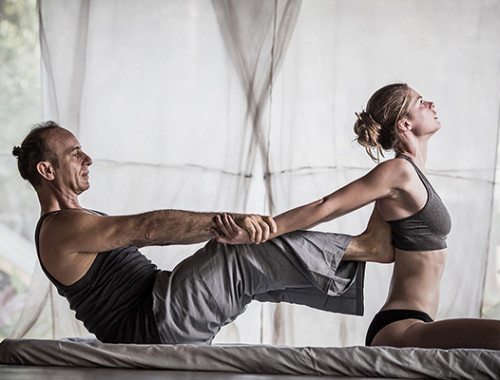
The deep tissue oil massage forms the foundation of each session: slow, intentional strokes applied with the hands then the feet, working deep into the muscles, connective tissue and fascia to release tension and restore healthy circulation. At the core of the treatment are the assisted stretches inspired by yoga postures, sometimes called “passive yoga,” where the therapist guides and supports the body in each position so it can be fully stretched, without effort or inner resistance. tailored to the receiver, they create a profound sense of openness touching simultaneously the physical, psychological and emotional dimensions.

AYM Practitioner performing deep tissue bodywork on the erector spinae and paraspinal muscles during an Ayurvedic Yoga Massage session, recipient lying face down.

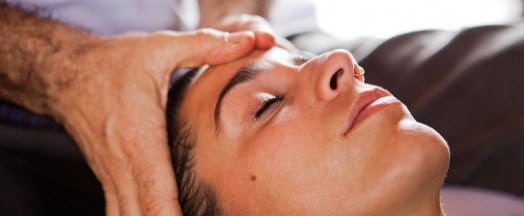
Vacha root powder (Calamus) is applied with the oil during the massage. It is the signature element of Ayurvedic Yoga Massage. This natural Ayurvedic botanical stimulates circulation through friction, penetrates the tissues and awakens the body in a way that oil alone cannot achieve. Breathwork is woven throughout the session, deepening the release, conscious breathing and anchoring the lived experience in the present moment. The experience that results is both therapeutic and restorative, leaving you balanced, at peace and fully present. The session concludes with a facial treatment that invites the receiver into a complete integration of the session’s benefits.

Ayurvedic Yoga Massage - Practitioner guiding a passive groin opener stretch during an AYM session, recipient lying on a floor mattress with one leg extended laterally to open the hip and adductor muscles.
Ayurvedic Yoga Massage training courses with Ananta at the ARYM Institute The butterfly stretch

What are the benefits of Ayurvedic Yoga Massage?

Ayurvedic Yoga Massage promotes deep physical, mental, and energetic well-being, offering a wide range of therapeutic benefits

Regular Ayurvedic Yoga Massage sessions support the body and mind in ways that go far beyond a conventional massage. By combining deep tissue work, passive stretching, Calamus scrub, and breathwork into one integrated treatment, the method addresses the root causes of tension, imbalance, and fatigue rather than their surface symptoms.

Clients commonly experience:

  • Reduced muscle tension and ease of joint pain
  • Realignment of body structure and improved posture
  • Stress relief and deep, lasting relaxation
  • Restored and sustained energy levels
  • Greater flexibility, mobility, and range of movement
  • Improved breathing capacity
  • Support for recovery from sports injuries
  • Maintained proprioceptive sensitivity
  • Enhanced circulation throughout the body
  • More restful and restorative sleep
  • Relief from migraines and headaches
  • Reduced bloating and improved digestion
  • A deepened sense of mindfulness and presence
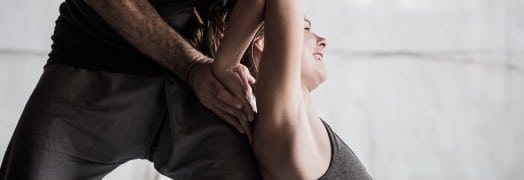
Practitioner guiding a seated dolphin stretch during an Ayurvedic Yoga Massage session, lifting and extending the recipient's arms overhead to open the shoulders, chest, and lateral body.

How can Ayurvedic Yoga Massage support your health?

Whatever your health goal, Ayurvedic Yoga Massage meets you where you are

Ayurvedic Yoga Massage is accessible to everyone, regardless of fitness level or familiarity with yoga. It is equally valuable for people managing ongoing physical challenges, emotional strain, or the demands of a busy lifestyle, as well as for yoga practitioners and athletes seeking deeper recovery and enhanced body awareness. The combination of deep tissue work, Ayurvedic Calamus root powder scrub, passive stretching, and breathwork makes Ayurvedic Yoga Massage particularly effective for:

  • Stiffness and limited mobility
  • Joint and muscle pain
  • Sports recovery and injury rehabilitation
  • Breathing difficulties
  • Digestive disorders
  • Sleep disorders
  • Stress, anxiety and depression
  • Migraines and headaches
Traditional brass Ayurvedic tray holding sesame oil, Vacha root powder (Calamus), and raw Calamus roots — the signature botanical ingredients used in Ayurvedic Yoga Massage.

Each session is tailored to where you are right now, whether that means working gently around an injury, releasing deep-seated tension, or simply creating the conditions for your body to rest and repair.

Curious about how Ayurvedic Yoga Massage can help you?

We would love to hear from you

The origins of Ayurvedic Yoga Massage

Born in Pune, India, in the early 1980s — Kusum Modak’s life work, transmitted by Ananta Girard for over thirty years

Kusum Modak: The Living Method
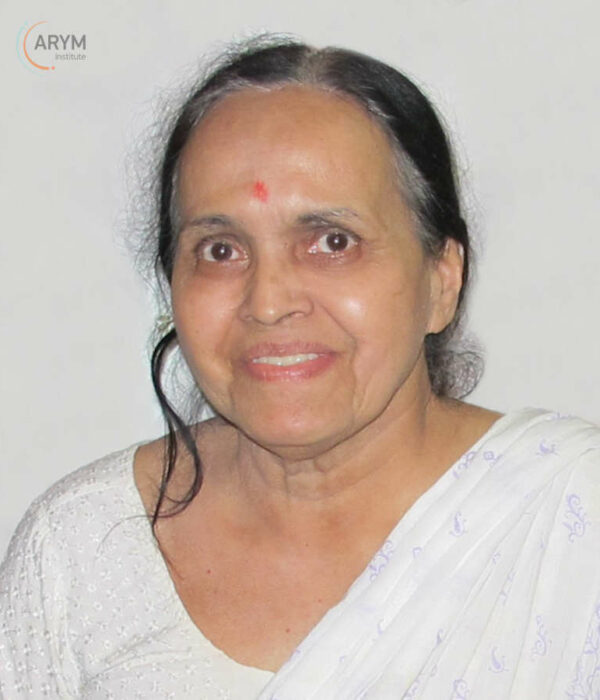
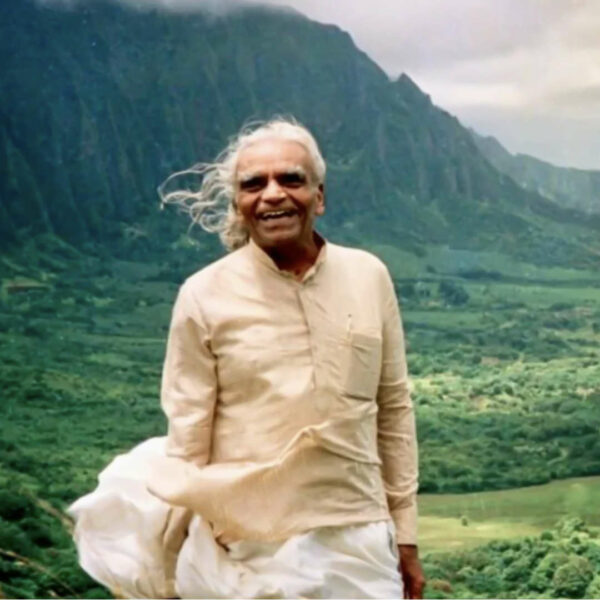
Kusum Modak‘s bodywork practice began in Pune, India, as a devoted student of BKS Iyengar, the world-renowned guru of Hatha yoga, and Vasudev Limaye, a local ayurvedic massage therapist. The encounter with these two mentors would shape everything to come.

BKS Iyengar: The Architecture of the Body
Through his teachings of Hatha Yoga on precise anatomical alignment and deep work on Pranayama (art of breathing), Guru BKS Iyengar gave Kusum a profound understanding of how the body moves, breathes, and holds and releases tension. This foundation became the backbone of the Assisted Yoga Stretches that are at the core of the AYM method today.

Vasudev Limaye: The Art of Touch
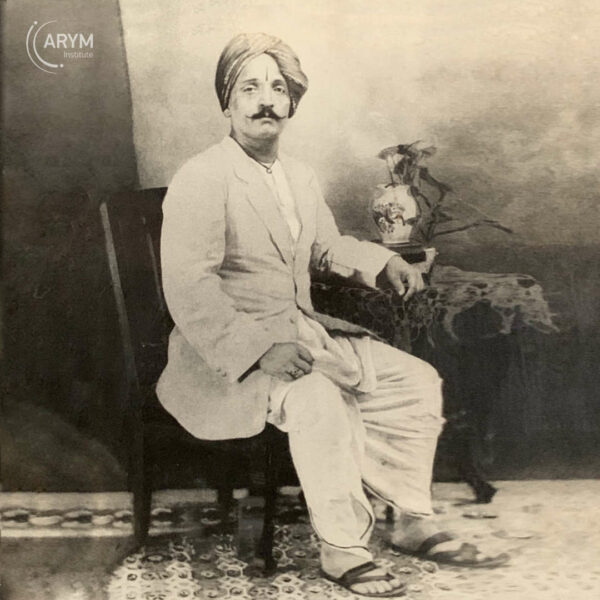
Affectionately known as “Ajoba” (grandfather in Marathi), Vasudev introduced Kusum to the healing intelligence of touch. Rooted in his family’s generations-old Ayurvedic massage tradition, his guidance opened a new dimension in her practice and planted the seed of what would become Ayurvedic Yoga Massage. It was Vasudev himself who brought Vacha root powder (Calamus) blended with oil into the work, a transmission that would become the signature of the method.

Ayurvedic Yoga Massage - Kusum Modak, developer of original method, with Ananta Girard, her long-time student and principal assistant during her golden teaching years.

Thirty years in the making, thirty years in the sharing

From the early 1980s until her retirement in 2012, Master Kusum Modak tirelessly refined and shared Ayurvedic Yoga Massage with people across the world, shaping a practice that continues to transform lives. Through direct transmission, the method found its natural continuity across generations.Among all those who trained alongside her, Ananta Sylvain Girard (ARYM Institute), her main assistant, worked most closely with Kusum, sharing years of direct study, collaboration, and transmission in 28 training programmes that they organised and taught together between 1996 and 2002, while continuing to collaborate with her until Kusum’s retirement. To date, Ananta himself has led over 425 training programmes worldwide through the ARYM Institute, bringing the method to thousands of AYM practitioners across five continents.
Learn more about Ananta’s work on Ayurvedic Yoga Massage →

Practitioner and recipient performing the Dragon-Cobra assisted stretch during an Ayurvedic Yoga Massage session, seated face to face with arms raised and interlocked overhead, creating a deep opening through the shoulders, chest, and upper spine.

A different approach to Ayurvedic Massage

How does Ayurvedic Yoga Massage compare to traditional Ayurvedic massage and other Ayurveda treatments?

While inspired by Ayurveda, Ayurvedic Yoga Massage stands apart from traditional Ayurvedic massage therapies in several distinct ways:

Practiced on a floor mattress rather than a massage table, allowing for greater grounding and deeper therapeutic pressure
Integrates assisted yoga-based stretching to enhance flexibility, correct posture, and restore body alignment
Uses minimal oil, making the treatment lighter and more dynamic than oil-heavy traditions like Abhyanga
Incorporates Calamus root powder as a natural scrub, stimulating circulation, detoxifying the tissues, and offering a uniquely awakening sensory experience
Weaves conscious breathwork throughout the session, supporting release on physical, emotional, and energetic levels

Frequently asked questions

Ayurvedic Yoga Massage is a holistic bodywork method originally developed by Master Kusum Modak, rooted in the living traditions of Ayurveda and yoga. It brings together four essential elements: deep tissue oil massage, assisted yoga-inspired stretches, Calamus root powder work, and breathwork into one therapeutic treatment that addresses the body on its physical, emotional, and energetic levels. Ananta has been practicing and teaching the method since 1996, bringing his own depth of experience to the transmission.

While both are rooted in Ayurveda, AYM stands apart in several key ways. It is practised on a comfortable floor mattress rather than a massage table, uses minimal oil for a lighter and more dynamic experience, integrates assisted yoga-based stretches for flexibility and postural alignment, incorporates Calamus root powder as a stimulating natural scrub, and weaves conscious breathwork throughout the session. Together these elements create a treatment that is more active, more personalised, and more comprehensive than traditional Ayurvedic massage therapies such as Abhyanga.

AYM helps reduce muscle tension, stiffness, improve flexibility and posture, support recovery from injuries, enhance circulation, relieve stress, and promote deep relaxation and overall well-being.

A session typically lasts between 50 and 90 minutes, depending on individual needs.

AYM is suitable for most people, including those experiencing stress, pain, stiffness, or fatigue, as well as those seeking relaxation and improved body awareness.

The frequency depends on your individual needs and goals. For general well-being, one to two sessions per month is beneficial. For specific therapeutic goals — such as injury recovery or chronic tension — more frequent sessions are recommended, generally with at least one rest day between each session.

You can find a certified AYM therapist trained by the ARYM Institute through our Therapist Directory